Green Smart City: Menyatukan Teknologi dan Keberlanjutan
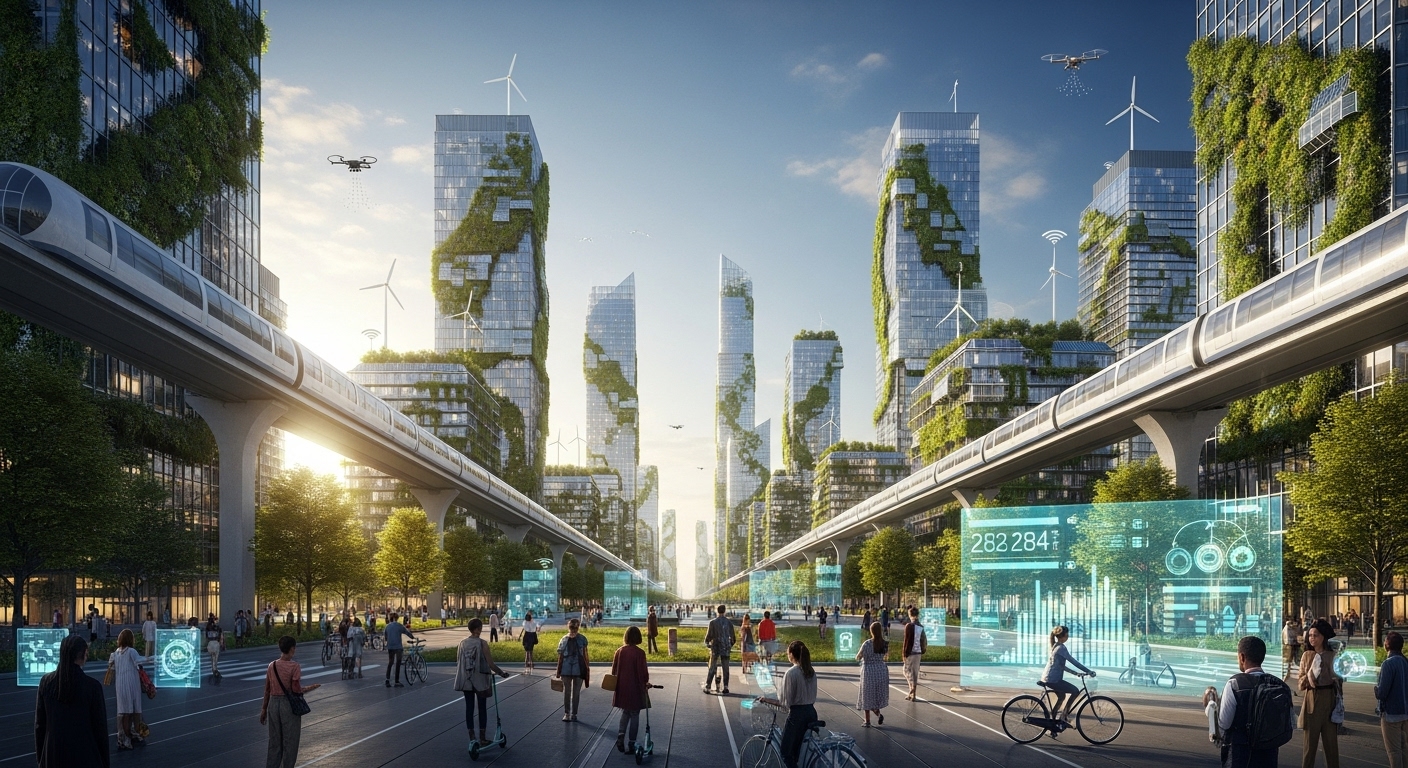
Green Smart City merepresentasikan konvergensi antara teknologi digital dan praktik berkelanjutan. Ini bukan hanya tentang mengurangi emisi atau menambah ruang hijau, tetapi tentang menciptakan ekosistem urban yang harmonis dimana teknologi mendukung tujuan lingkungan.
Konsep Green Smart City
Green Smart City mengintegrasikan tiga elemen kunci:
Environmental Intelligence: Penggunaan teknologi untuk monitor, analyze, dan optimize environmental performance Sustainable Infrastructure: Infrastruktur yang minimize resource consumption dan environmental impact Circular Economy: Sistem yang eliminate waste melalui reuse, recycling, dan regeneration
Smart Energy Management
Renewable Energy Integration
Kota pintar berkelanjutan heavily rely on renewable energy:
Solar: Rooftop panels, building-integrated photovoltaics, solar farms Wind: Urban wind turbines, offshore wind farms Geothermal: District heating/cooling systems Biomass: Waste-to-energy facilities
Copenhagen bertarget carbon neutral pada 2025, dengan 90% heating dari renewable sources dan wind farms yang generate lebih dari city’s electricity consumption.
Smart Grids
AI-powered grids:
- Balance supply dan demand real-time
- Integrate distributed renewable sources
- Enable two-way energy flow (prosumers)
- Optimize storage dan distribution
- Predict maintenance needs
Amsterdam smart grid mengurangi energy consumption 15% sambil meningkatkan renewable share menjadi 70%.
Building Energy Management
IoT sensors dan AI optimize building energy use:
Adaptive Lighting: Adjust berdasarkan natural light dan occupancy Smart HVAC: Learn occupancy patterns dan adjust automatically Energy Dashboards: Real-time consumption visibility encourage conservation Predictive Maintenance: Prevent efficiency-reducing failures
Urban Greening dengan Teknologi
Smart Parks dan Green Spaces
Teknologi enhance urban nature:
Irrigation Systems: Soil moisture sensors optimize water use Tree Monitoring: IoT tracks tree health, growth, dan stress Air Quality: Plants positioned berdasarkan pollution mapping Biodiversity: Sensors monitor bird, insect, dan mammal populations
Singapore’s Gardens by the Bay use sensor networks untuk optimize microclimates, water, dan energy dalam vertical gardens dan supetrees.
Green Roofs dan Walls
Smart systems manage:
- Automated irrigation berdasarkan weather forecast
- Plant health monitoring
- Stormwater retention tracking
- Temperature regulation effectiveness
Urban Farming
Vertical farms dan rooftop gardens dengan:
Hydroponics/Aeroponics: Water-efficient growing systems LED Grow Lights: Spectrum-optimized untuk plant growth Climate Control: Automated temperature, humidity management Yield Optimization: AI analyzes growing conditions untuk maximize output
Dubai rooftop farms produce 20% of city’s fresh vegetables, reducing transport emissions dan food waste.
Water Management Cerdas
Smart Water Networks
IoT-enabled infrastructure:
Leak Detection: Acoustic sensors identify leaks immediately Quality Monitoring: Real-time testing at multiple points Pressure Management: Optimize pressure untuk reduce waste Consumption Tracking: Household-level water use analytics
Barcelona smart water network reduced losses dari 25% menjadi 15%, saving 16 million m³ annually.
Stormwater Management
Green-gray infrastructure integration:
Rain Gardens: Sensors trigger irrigation shutoff sebelum rain Permeable Pavements: Monitor infiltration rates Bioswales: Track pollutant removal effectiveness Smart Ponds: Controlled release prevents flooding
Water Recycling
Advanced treatment systems:
- Greywater recycling untuk irrigation
- Blackwater treatment untuk non-potable uses
- Industrial water reclamation
- Real-time quality monitoring
Waste Management Hijau
Smart Collection Systems
Pneumatic Tubes: Underground vacuum systems transport waste Fill-Level Sensors: Optimize collection routes Sorting Robots: AI-powered recycling facilities Waste Analytics: Track generation patterns untuk target reduction
Seoul waste management system increased recycling rate dari 40% menjadi 68% melalui smart bins dan app-based education.
Circular Economy Platforms
Digital marketplaces:
- Connect waste producers dengan users
- Track material flows
- Facilitate industrial symbiosis
- Enable sharing economy
Amsterdam Circular City platform facilitates reuse dari construction materials, diverting 50% waste dari landfills.
Composting Programs
Smart composting:
- Automated aeration dan temperature control
- Moisture monitoring
- Methane capture untuk energy
- Compost quality testing
Sustainable Transportation
Electric Mobility
Complete ecosystems:
EV Charging Networks: Smart charging berdasarkan grid load Battery Swapping: Quick exchange stations V2G Integration: EVs sebagai mobile storage Route Optimization: AI suggests efficient routes
Oslo banned ICE vehicles dari city center, dengan comprehensive EV infrastructure supporting transition.
Multimodal Integration
Seamless connections:
- Real-time transit information
- Unified payment systems
- First/last mile solutions
- Park-and-ride facilities
Active Transportation
Infrastructure untuk walking/cycling:
Smart Bike Lanes: Adaptive traffic lights prioritize cyclists Secure Parking: Monitored bike storage Air Quality Routes: Apps suggest cleanest paths Safety Features: Intelligent crossing systems
Copenhagen 62% population bikes to work, supported by 400+ km smart bike lanes.
Air Quality Management
Monitoring Networks
Dense sensor deployment:
- Real-time pollution mapping
- Source identification
- Exposure assessment
- Alert systems untuk vulnerable populations
London Breathe London project has 100+ monitoring stations providing hyperlocal air quality data.
Mitigation Strategies
Data-driven interventions:
Low Emission Zones: Dynamically adjusted based on conditions Green Barriers: Trees positioned untuk trap pollutants Traffic Management: Reroute based on air quality Industrial Controls: Reduce output during poor conditions
Clean Air Infrastructure
Air Purification: Large-scale purifiers di high-traffic areas Moss Walls: Natural air filters dengan IoT optimization Photocatalytic Surfaces: Self-cleaning, pollution-reducing materials Smart Ventilation: Building systems respond ke outdoor quality
Climate Adaptation
Urban Heat Island Mitigation
Smart cooling strategies:
Cool Pavements: Reflective surfaces reduce heat absorption Green Corridors: Optimize airflow dan shade Water Features: Strategic fountains untuk evaporative cooling Microclimate Mapping: Identify dan address hot spots
Paris aims untuk cool city 4°C by 2050 through comprehensive greening dan smart materials.
Flood Resilience
Adaptive systems:
- Predictive modeling untuk early warning
- Automated drainage control
- Nature-based solutions monitoring
- Emergency response optimization
Climate Monitoring
Comprehensive tracking:
- Temperature, humidity, precipitation
- Extreme weather prediction
- Sea level monitoring (coastal cities)
- Ecosystem health indicators
Citizen Engagement untuk Sustainability
Environmental Apps
Mobile platforms enable:
Carbon Footprint Tracking: Personal emissions monitoring Green Challenges: Gamified sustainability goals Issue Reporting: Crowdsourced environmental problems Eco-Tips: Personalized conservation advice
Seoul eco-mileage program rewards citizens for reducing carbon, dengan 2+ million participants.
Open Environmental Data
Transparent access:
- Real-time environmental dashboards
- Historical trend analysis
- Neighborhood comparisons
- Impact of city initiatives
Community Science
Citizen participation:
- Water quality testing
- Wildlife monitoring
- Urban heat mapping
- Noise pollution tracking
Economic Benefits
Green smart cities demonstrate strong economics:
Energy Savings: 20-30% reduction dalam consumption Healthcare: Improved air quality reduces respiratory illness Property Values: 15% premium untuk green neighborhoods Job Creation: Green tech sector employment Tourism: Sustainable cities attract visitors Innovation: Hub untuk cleantech development
Challenges
Investment Requirements
Upfront costs untuk green tech significant, requiring:
- Long-term planning horizons
- Innovative financing mechanisms
- Public-private partnerships
- Phased implementation strategies
Behavioral Change
Technology alone insufficient; need:
- Education campaigns
- Incentive programs
- Cultural shifts
- Leadership commitment
Equity Considerations
Ensure benefits distributed fairly:
- Affordable green housing
- Equal access ke green spaces
- Inclusive clean transport
- No green gentrification
Best Practices
Integrated Planning
Don’t silo environmental initiatives:
- Coordinate across departments
- Consider co-benefits
- Align dengan smart city strategy
- Engage multiple stakeholders
Start dengan Quick Wins
Build momentum:
- Visible, impactful projects
- Demonstrate benefits early
- Generate public support
- Create success stories
Measure dan Communicate
Track progress:
- Clear sustainability metrics
- Regular reporting
- Celebrate milestones
- Share lessons learned
Future Innovations
Carbon Capture
Urban-scale capture:
- Building-integrated systems
- Algae bioreactors
- Enhanced weathering materials
- Direct air capture facilities
Synthetic Biology
Engineered organisms:
- Pollution-eating bacteria
- Bioluminescent plants untuk lighting
- Carbon-sequestering microbes
- Self-healing concrete
Advanced Materials
Next-generation infrastructure:
- Self-cooling pavements
- Energy-generating windows
- Air-purifying building facades
- Recyclable construction materials
Green Smart City isn’t just environmental necessity - it’s opportunity untuk create better urban life. By integrating digital technology dengan ecological principles, kita bisa build cities yang are simultaneously more efficient, more sustainable, dan more livable.
Key adalah holistic thinking: recognizing that environmental, social, dan economic goals are interlinked. Smart technology amplifies impact dari green initiatives, while sustainability focus ensures technology serves broader purpose beyond efficiency alone.
Cities leading this transformation - Copenhagen, Singapore, Amsterdam, Stockholm - demonstrate bahwa ambitious environmental targets achievable dengan right combination dari technology, policy, dan community engagement. Mereka prove bahwa going green dan going smart are complementary, not competing, priorities.
Future of urban development adalah green dan smart. Cities yang embrace both will thrive; those yang ignore either will struggle. Time untuk act adalah now - untuk current generation dan generations to come.
Explore how your city can become greener dan smarter. Connect dengan our sustainability experts untuk learn more.
Komentar